Independent strain library
The seed reference for growers who read the label.
Lockbox Seeds is an editorial strain database covering lineage, flowering windows, indoor and outdoor yields, and the breeders behind every cross. We do not sell seeds. We track what is worth growing and point you to the seed banks that actually ship the genetics they advertise.
The seed bank link is an affiliate to I Love Growing Marijuana. We disclose every paid link.
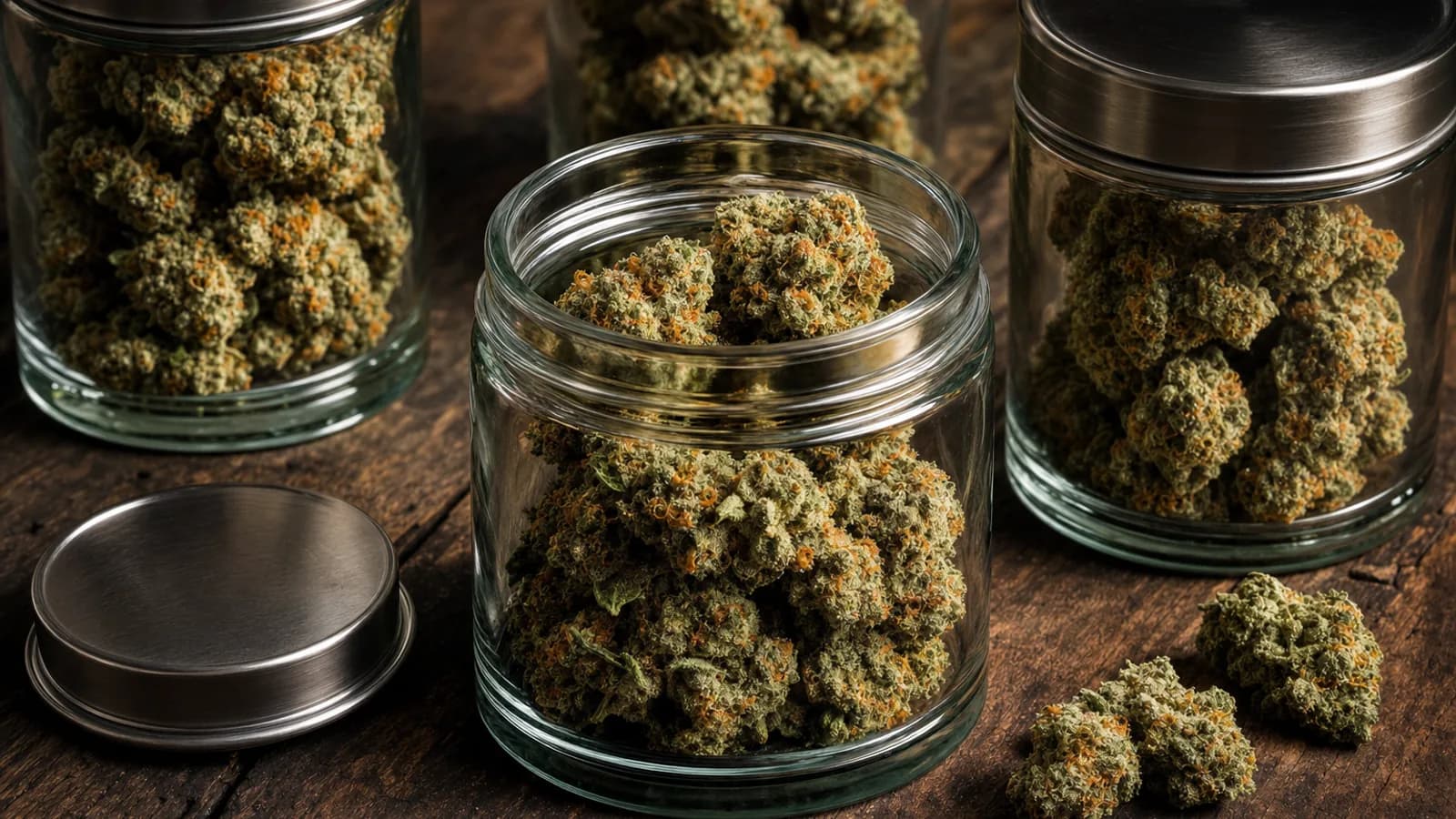
Library scope
100 strains
Hand-curated cannabis genetics from 23 working breeders
Breeders
23
Avg flower
8.9 wk
Cup wins
18
Reviewed
May ’26
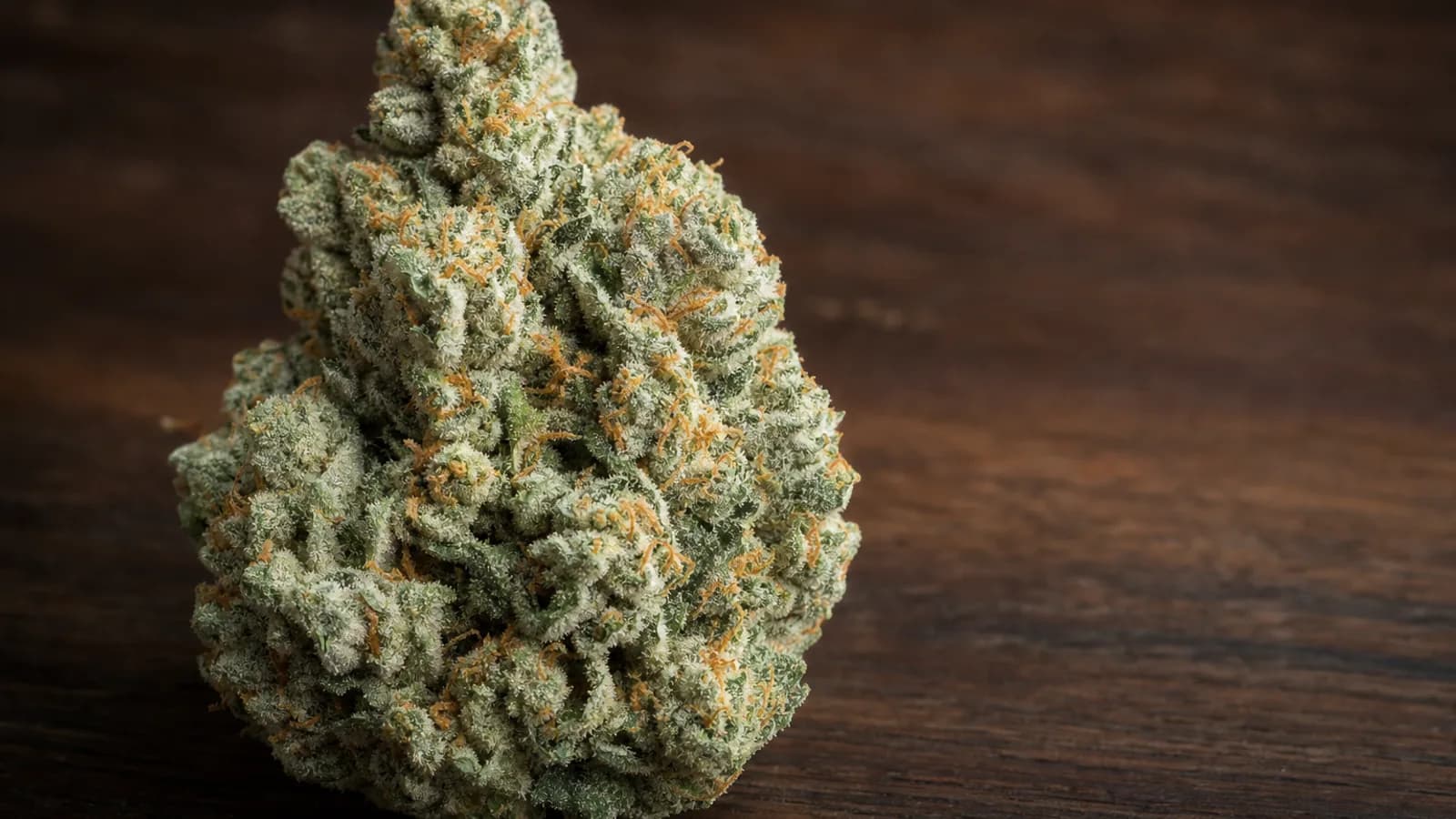
Lockbox pick · May 2026
Wedding Cake
Wedding Cake is our May pick because it threads a needle most premium-shelf strains miss — Seed Junky's Triangle Kush × Animal Mints cross routinely turns in 450 to 550 grams per square metre indoors on an eight to nine week finish, which is competitive yield in a cultivar most growers reach for on terpene profile alone. The plant is rated moderate, not advanced, so a first-time grower running a clean indoor tent with steady humidity control will get a usable harvest on the first run. Trichome density is unusually high for a Cookies descendant, and the vanilla-cake nose holds through a careful slow cure rather than fading the way some limonene-forward hybrids do. If you want a recognisable dispensary-grade phenotype at home without stepping up to a fussy clone-only line, this is the cross to start with.
Read full Wedding Cake profileTHC
22–28%
Typical 25%
Flowering
8–9 wk
Photoperiod
Indoor yield
500 g/m²
450-550 g/m²
Difficulty
moderate
Beginner-tolerant
Award winners
Cannabis Cup winners in the library
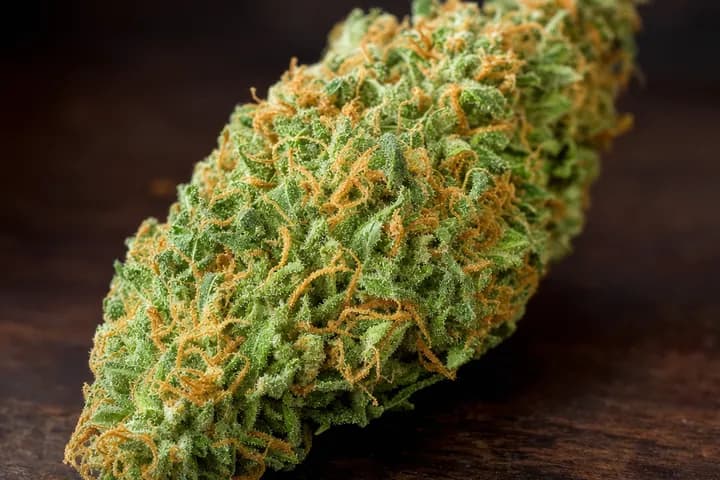
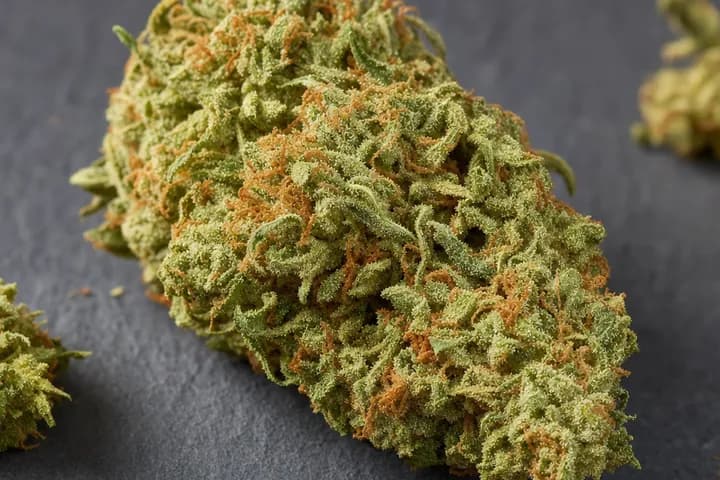
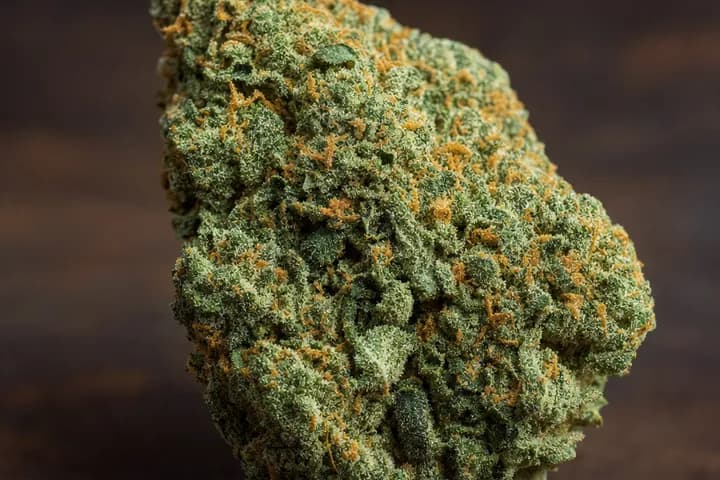
A handful of strains in the Lockbox library carry documented Cannabis Cup or comparable competition wins on the breeder record. These are the cultivars that beat a room of working growers under judging conditions, and they make a useful starting point if you want a tested phenotype rather than a marketing cross.
Tools
Pick a strain with help, not a guess.
The library carries enough cultivars now that scrolling alphabetically isn't the right entry point for most growers. These are the small utilities we maintain to narrow the field — a guided quiz, a comparison view, and the single seed bank we send buyers to once they've made a pick.
Strain finder quiz
Answer five questions on grow space, experience level, and effect — get a short list of cultivars from the library that actually fit.
Start the quiz
Compare side-by-side
Stack two or three strains on a single page — THC range, flowering window, yield, and difficulty in one table.
Open comparison
Recommended seed bank
Our editorial review of I Love Growing Marijuana — shipping policy, germination guarantee, and the strains they actually keep in stock.
Read the review
Featured
Strains worth a tent slot this season
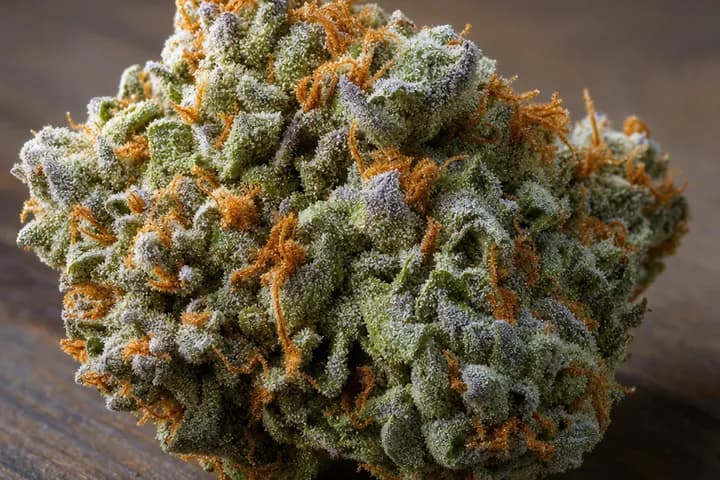
DJ Short
Blue Dream
- THC
- 21%
- Flower
- 9-10 wk
- Indoor
- 550g
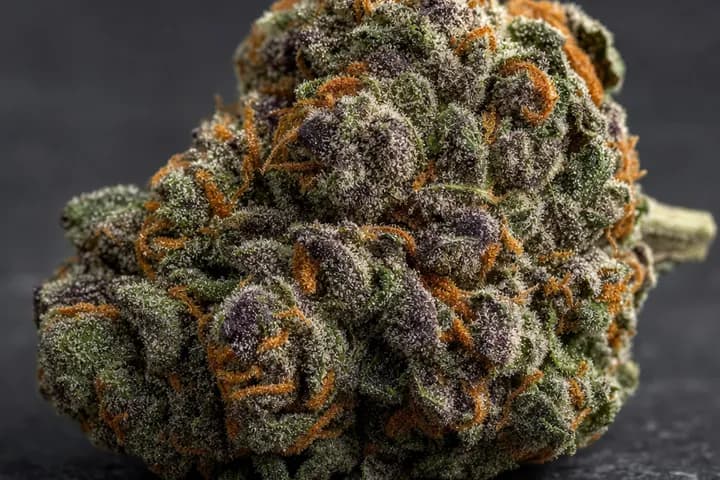
ILGM Genetics
Girl Scout Cookies
- THC
- 25%
- Flower
- 9-10 wk
- Indoor
- 500g
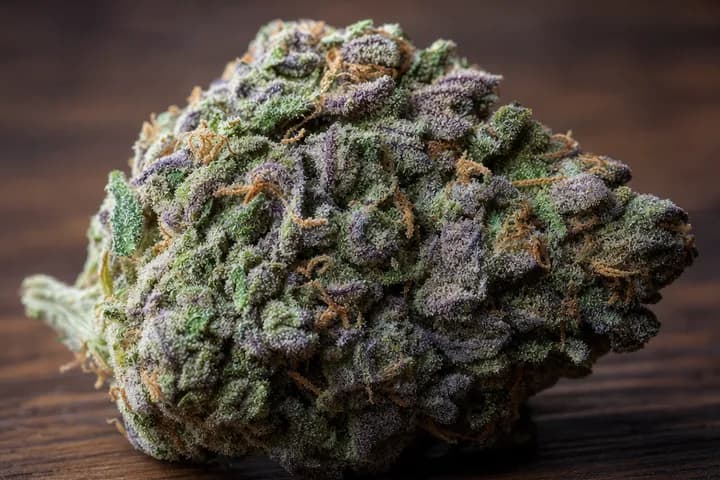
Sensi Seeds
Northern Lights
- THC
- 18%
- Flower
- 7-8 wk
- Indoor
- 500g
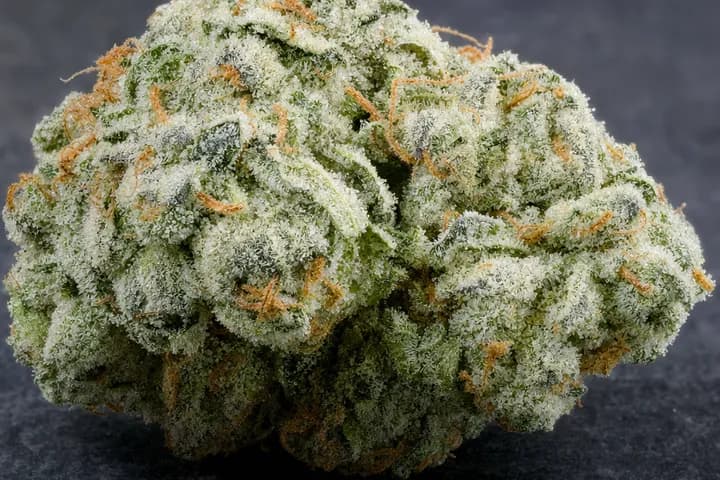
ILGM Genetics
Gorilla Glue #4
- THC
- 28%
- Flower
- 8-9 wk
- Indoor
- 500g
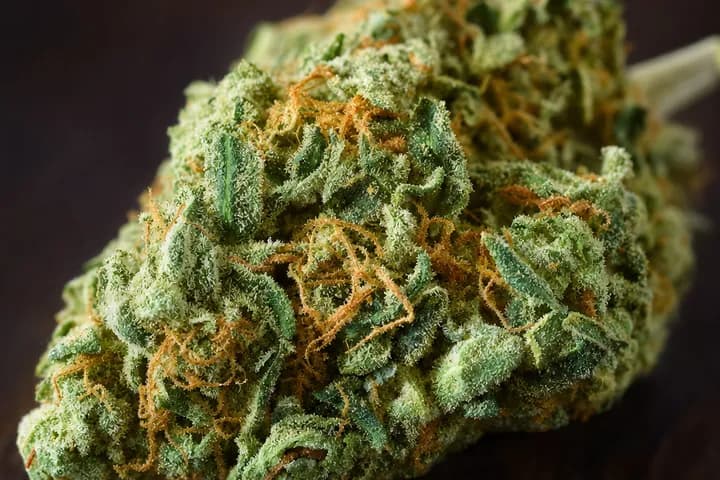
DNA Genetics
OG Kush
- THC
- 23%
- Flower
- 8-9 wk
- Indoor
- 450g
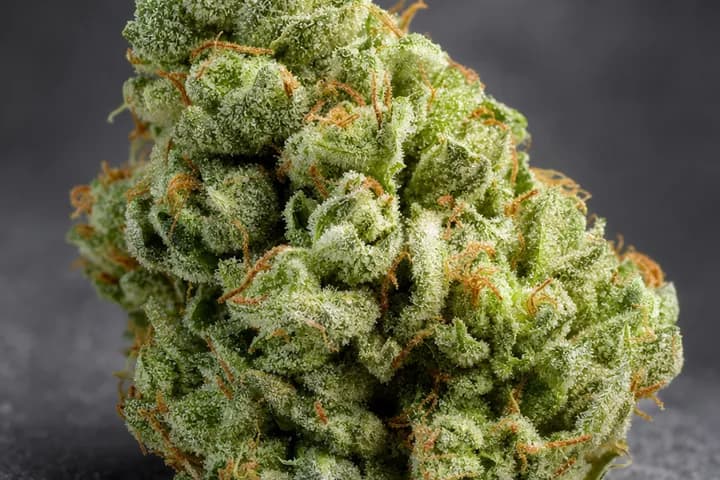
DNA Genetics
Bruce Banner
- THC
- 27%
- Flower
- 9-10 wk
- Indoor
- 550g
Method
How we put a strain in the lockbox.
We document the lineage on record at the breeder, cross-check independent grow reports, and only recommend a seed bank if the strain is currently in stock there. We update each entry on a rolling schedule and stamp the file with the date it was last reviewed.
Lineage on record
Parent strains pulled from the breeder catalogue, then verified against independent strain registries.
Grower-ready stats
Flowering windows, indoor and outdoor yields, and difficulty ratings drawn from documented runs, not vendor copy.
Disclosed seed bank
Where to buy goes to one partner — I Love Growing Marijuana. Disclosed everywhere. Removed if a strain drops from their catalogue.
Sources
How Lockbox sources information
Every strain entry in the library starts from the breeder's own catalogue copy, then gets cross-checked against the independent registry at seedfinder.eu and the consumer-facing record at Leafly. Where the two disagree on lineage or flowering window, we open the strain-database.com entry and the breeder's archived press release before deciding which figure to publish. Yield numbers and difficulty ratings come from documented grow reports — typically the r/microgrowery archive, the GrowDiaries log if the strain has a public run, and any harvest writeup the breeder has put on record. Awards are only listed where we can find the strain on the official Cannabis Cup or comparable competition results page; breeder marketing claims alone don't qualify. Nothing in the library is generated from a single source.
Breeders
Who actually made the cross
Netherlands · est. 1986
Barney's Farm
Barney's Farm operates the Amsterdam coffeeshop of the same name and runs one of the most-awarded seed programs in Europe, with Cup placements stretching from the early nineties to the present. The breeder is associated with Pineapple Chunk, LSD, and Tangerine Dream, all of which became long-term staples of the Dutch coffeeshop menu. Founder Derry's collection trips through the Hindu Kush and Thailand in the 1980s seeded the original mother stock, and several of those landrace lines are still preserved in the breeding library. Modern Barney's releases lean photoperiod-feminized and target indoor growers with shorter veg windows, though the autoflowering arm of the catalogue has expanded substantially since 2020. The brand sits in the upper-middle tier of European pricing — not the cheapest option, but the catalogue documentation is unusually thorough.
95 strains
Canada · est. 1996
Brothers Grimm
Brothers Grimm Seeds was the Canadian breeding project run by Mr. Soul and partner that released Cinderella 99, Apollo 11, and Genius through the late 1990s, then shut down in 2002 after personal circumstances forced the principal breeder out of the public seed market. The original Cinderella 99 line was one of the first true sativa hybrids selected for indoor commercial yields rather than landrace-purist preservation, which made the strain a foundational input for dozens of later Pacific Northwest crosses including Cinex. Brothers Grimm relaunched in 2017 with Mr. Soul returning to active breeding, releasing updated versions of the original catalogue alongside new lines that draw on archived mother stock preserved through the dormant years. Pack runs from the relaunched program are small, sold through a short list of verified retailers, and tracked closely by preservation-focused growers because the original C99 line has been heavily counterfeited. For collectors the Brothers Grimm name carries one of the most-tracked breeding histories in North American cannabis.
18 strains
United States · est. 2008
Cali Connection
Cali Connection is the Southern California seed program founded by Swerve, a breeder who specialized through the late 2000s and 2010s in taking California clone-only cuts and stabilizing them into seed-form releases for the broader market. The catalogue is anchored by SFV OG Kush, Tahoe OG, and Larry OG, all of which served as the seed-line substitutes for clone-only cuts that never legally left California. The breeder's work was particularly influential in bringing OG Kush family genetics to the European seed market through partnerships with Dutch distributors in the early 2010s. Cali Connection's catalogue has shrunk substantially since 2020 as Swerve has scaled the project back to limited releases, but the older catalogue strains remain among the most-grown OG variants in seed form. For OG-leaning growers the Cali Connection lineage is one of the most documented in commercial seed.
40 strains
United States · est. 2009
Cannarado Genetics
Cannarado Genetics is the Colorado-based breeder operating out of Denver, founded by a small team that ran one of the first state-legal seed catalogues after Colorado's 2012 recreational legalization. The program leans heavily on Grape Pie, Sundae Driver, and Lava Cake as in-house anchors, with the Grape Pie line serving as a maternal foundation for dozens of partner crosses across the late-2010s dessert-strain wave. Cannarado's catalogue is one of the few American programs that releases regular (non-feminized) seed alongside feminized lines, which has made the breeder a preferred source for pheno-hunting outfits and small commercial growers. Releases drop in limited windows through the breeder's website and a handful of state-licensed Colorado retailers, with batch sizes capped to maintain selection quality. Several of the most-grown strains on modern Colorado dispensary shelves trace back to Cannarado mother lines.
50 strains
United States · est. 2014
Colorado Seed Inc.
Colorado Seed Inc. is a Denver-based breeder operating out of a licensed Colorado cultivation, working primarily with Kush, Cookies, and Chem lineages. The program is small by Dutch standards but state-of-the-art for an American operation, with phenotype selection done indoors under modern LED lighting rather than the high-pressure sodium rigs most legacy breeders still use. Clementine Kush and Double OG Chem are the catalogue's most-grown releases, both of which appear in seedfinder.eu's strain registry with documented lineage. The breeder distributes only through state-licensed Colorado dispensaries plus a limited online catalogue, which keeps batch sizes small and ensures that most packs that leave the building are tracked. For Colorado growers the brand has become a regional Cup alternative — entries have placed in the Denver Cannabis Cup four times since 2018.
35 strains
United States · est. 1980
DJ Short
DJ Short is the breeder credited with stabilizing Blueberry in the early 1980s and later releasing Blue Dream cuts that became the West Coast standard. His program drew on Highland Thai, Purple Thai, and Afghani sativa-leaning landraces collected through the late seventies. Through the eighties and nineties the work was almost entirely closed-pollination preservation; the public catalogue did not arrive until DJ Short signed with Dutch Passion in the mid-1990s. The breeder has stayed deliberately small in output, preferring to release one or two new lines each year rather than chasing the modern photoperiod-feminized arms race. Most Blueberry phenotypes in commercial seed catalogues today trace, directly or indirectly, to a DJ Short F4 selection from the early 1990s.
12 strains
Netherlands · est. 2003
DNA Genetics
DNA Genetics was founded in 2003 by two Los Angeles breeders, known publicly as Don and Aaron, who relocated their cuts to Amsterdam after the medical cannabis crackdowns of the early 2000s. The catalogue is anchored by the LA Confidential and Chocolope working lines, both of which placed at the High Times Cannabis Cup within five years of release. DNA built a reputation for taking American clone-only cuts, selfing them into stable seed lines, and releasing them through the European market — Kosher Kush is the best-known example. The brand operates two sub-labels, Reserva Privada for limited regular-seed work and Crockett Family Farms for the Tangie genetics, and the Cup wins from those imprints contribute to a combined catalogue tally that runs into the low hundreds. For US growers the DNA seed line is often the closest commercially available substitute for cuts that never legally left California.
80 strains
Netherlands · est. 1987
Dutch Passion
Dutch Passion is one of the original Dutch seed banks, founded in 1987 by Henk van Dalen and credited with releasing the first commercial feminized seeds in 1998 — a technical milestone that reshaped the entire European industry. The catalogue carries long-running staples including Durban Poison, Skywalker, and Strawberry Cough, several of which were licensed from American breeders and adapted to European indoor conditions. Through the late 1990s and 2000s Dutch Passion published the AutoMazar line that helped legitimize autoflowering genetics as a serious commercial category rather than a novelty. The breeder operates from a research facility outside Amsterdam and supplies seed to coffeeshops and home growers across the EU under one of the longest-standing trademark registrations in cannabis. Quality control on the modern catalogue is tight enough that Dutch Passion seeds are still recommended by European growing publications when reliability matters more than chasing trend genetics.
130 strains
Field Notes
Latest from Field Notes
Field Notes is where we publish the longer-form pieces that don't belong on a strain page — germination technique, why the breeder of record matters when a name gets cloned out across the market, and the terpene chemistry that decides how a finished bud actually smells.
A grower's germination guide
The paper-towel method, the direct-to-soil method, and the conditions that decide which one actually works.
Read
Why the breeder of record matters
What you actually buy when two seed banks list the same strain name with different parents.
Read
A terpene primer
Myrcene, limonene, caryophyllene, and the other compounds that decide how a finished flower smells and feels.
Read