Library pick
Landrace and heirloom-heritage cannabis strains
Landrace cannabis refers to the regional populations that adapted over centuries to specific climates and latitudes before modern breeding consolidated genetics into the indica, sativa, and hybrid categories used today. The list below scores library entries whose documented parent strains include known landrace lines — Afghani, Thai, Colombian, Mexican, Indian, Hawaiian, Hindu Kush, Durban Poison, Brazilian, and Pakistani heritage — with a smaller bonus for strains whose recorded family explicitly tags pure indica or landrace classification. Landrace genetics are documented as carrying narrower THC ceilings than modern hybrids but broader terpene complexity, higher pest and pathogen resistance, and the original phenotype expressions from which the entire modern catalogue was bred. None of these are guaranteed pure landrace — most are landrace-leaning hybrids preserving heritage genetics in a more growable package. The ranking is descriptive, drawn from the lineage and family data recorded in each entry's catalogue.
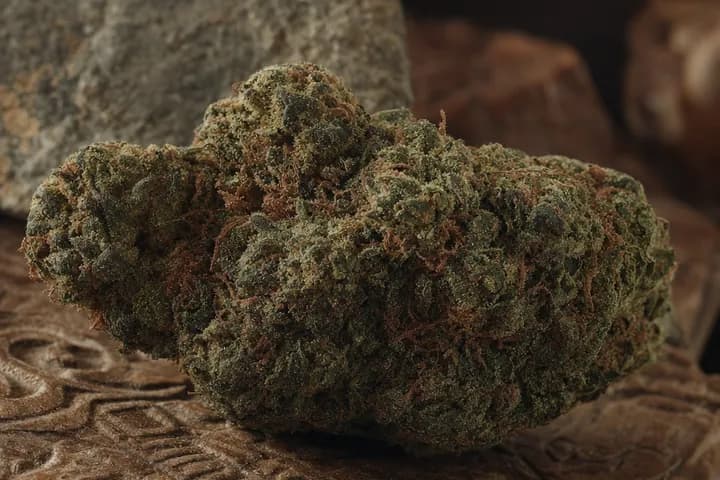
Sensi Seeds
Hindu Kush
- THC
- 18%
- Flower
- 7-8 wk
- Indoor
- 450g
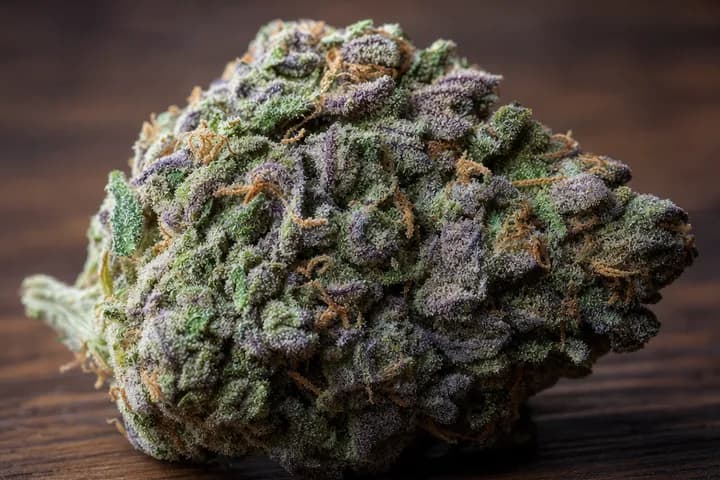
Sensi Seeds
Northern Lights
- THC
- 18%
- Flower
- 7-8 wk
- Indoor
- 500g
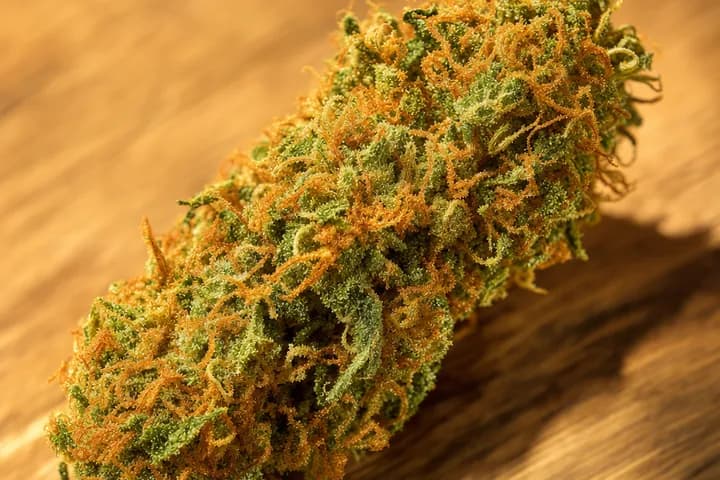
Barney's Farm
Acapulco Gold
- THC
- 22%
- Flower
- 10-11 wk
- Indoor
- 450g
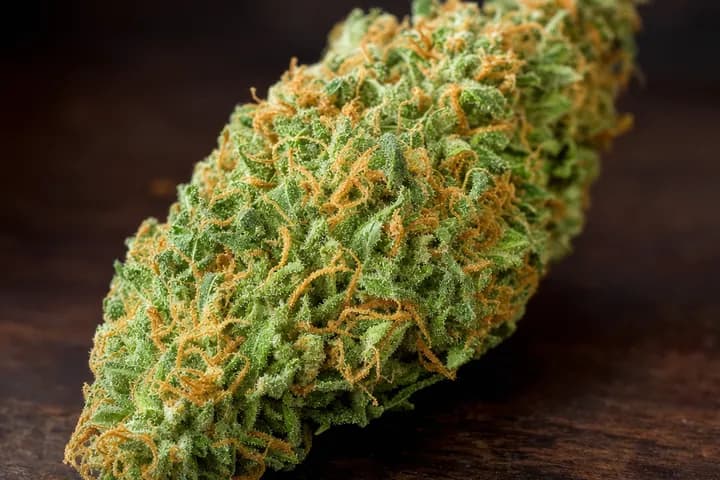
Sensi Seeds
AK-47
- THC
- 18%
- Flower
- 8-9 wk
- Indoor
- 500g
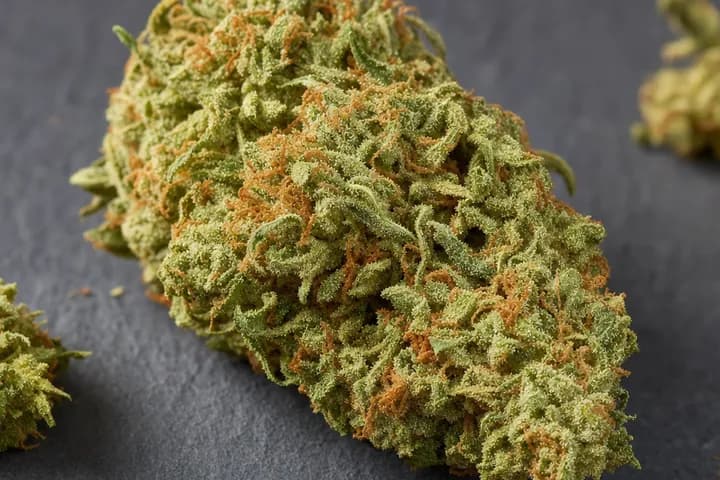
Green House Seed Co.
Amnesia Haze
- THC
- 22%
- Flower
- 10-11 wk
- Indoor
- 600g
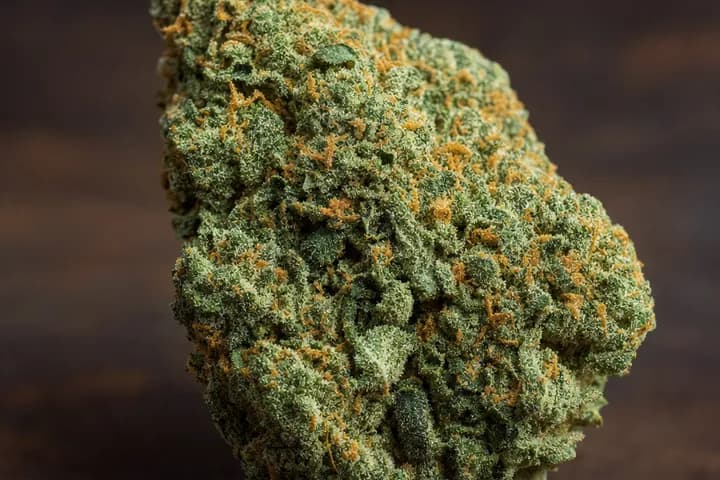
Sensi Seeds
Big Bud
- THC
- 17%
- Flower
- 8-9 wk
- Indoor
- 600g
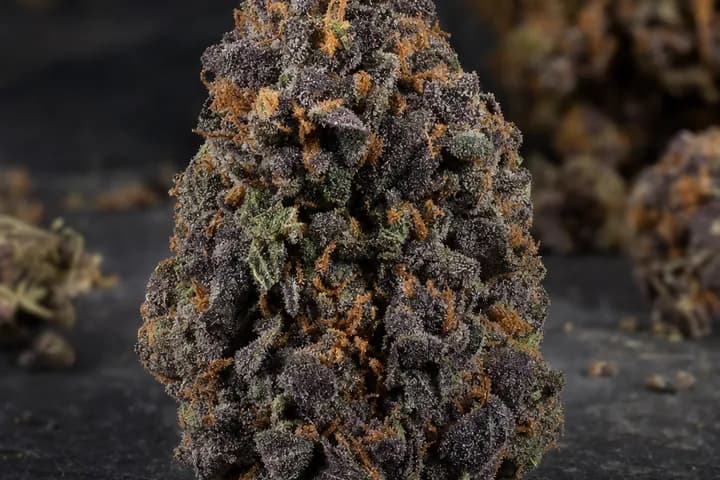
Sensi Seeds
Black Domina
- THC
- 19%
- Flower
- 7-8 wk
- Indoor
- 500g
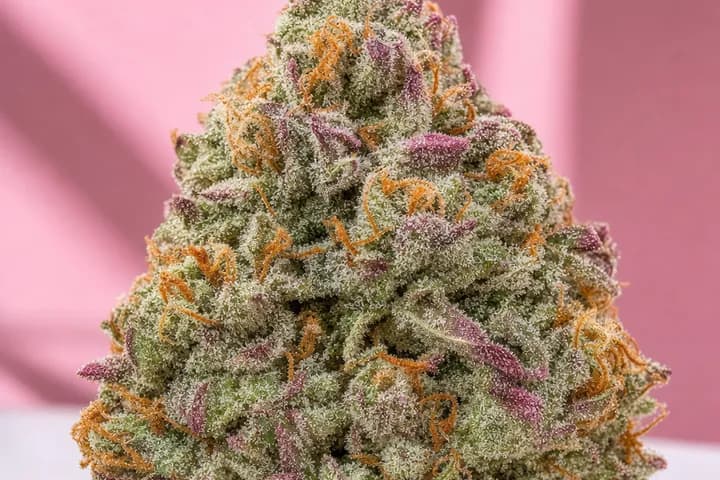
TH Seeds
Bubblegum
- THC
- 17%
- Flower
- 8-9 wk
- Indoor
- 425g
Showing 8 strains ranked from the library against the criteria above.
How this list is made
Scoring rewards strains whose documented parent strains include Afghani, Thai, Colombian, Mexican, Indian, Hawaiian, Hindu Kush, Durban Poison, Brazilian, or Pakistani heritage most heavily, with a secondary bonus where the recorded family is explicitly tagged as pure indica or landrace. The ordering is computed at build time from the library data and reflects the documented figures in each breeder's catalogue rather than editor opinion.