Sativa Dominant · Green House Seed Co.
Lemon Haze
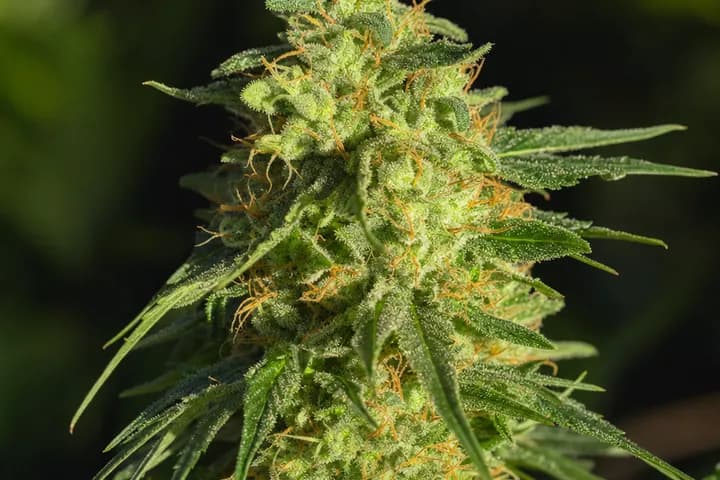
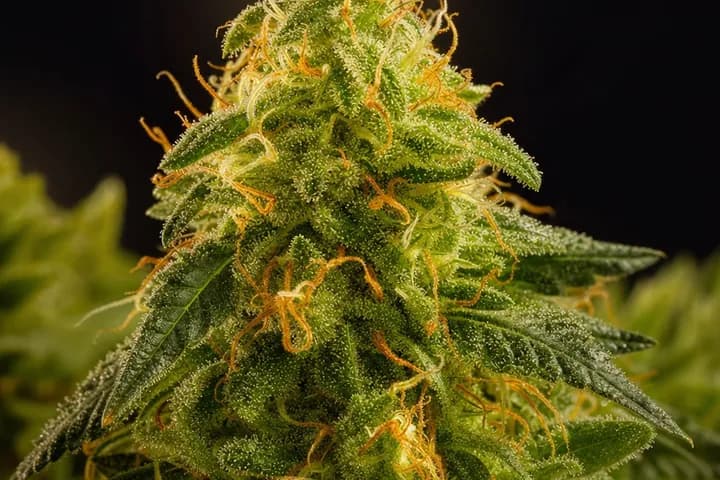
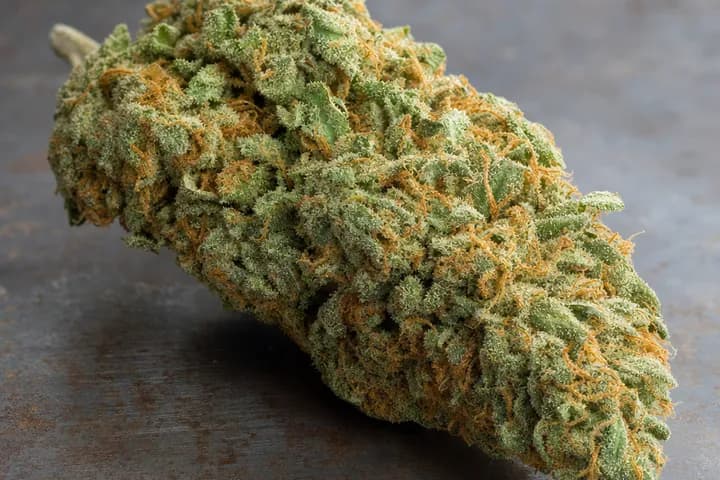
Lemon Haze is the Green House Seed Co. sativa-dominant hybrid crossing Lemon Skunk with Silver Haze, released as the more accessible companion to Super Lemon Haze with shorter flowering and milder cerebral effects suited to growers who found SLH too racy. The cross finishes in roughly nine to ten weeks indoors with manageable stretch and a citrus-forward terpene profile that leans sharper-lemon than the broader citrus expression of Super Lemon Haze. The high is energetic and uplifting with a clear focus component, lighter than SLH but still firmly sativa-leaning, and the strain works well for daytime functional use without the racing-thoughts edge that hard sativas can produce. Green House has carried Lemon Haze continuously since release as part of their Haze-family catalogue, often positioned alongside SLH and Hawaiian Snow as the bank's flagship sativa lineup. The strain is also a common breeding parent for citrus-leaning hybrids built on Haze backgrounds rather than the OG Kush family.
Reviewed 2026-05-23· Sources: seedfinder.eu, Green House Seed Co. catalogue
Potency
- THC range
- 17–22%
- Typical THC
- 20%
- CBD
- up to 0.3%
Flowering
- Indoor weeks
- 9–10 wk
- Difficulty
- Moderate
- Climate
- Mediterranean, warm temperate, indoor
Yield & size
- Indoor
- 475-600 g/m²
- Outdoor
- 500-700 g/plant
- Height
- 120-160 cm
Indica / sativa ratio
Terpene profile
The aromatic compounds below shape how Lemon Haze smells, tastes, and ultimately feels in the body.
- dominant
Limonene
Uplifting citrus — typically associated with mood elevation and stress relief.
- secondary
Terpinolene
Piney and fruity — fresh, slightly floral, common in sativa-leaning cultivars.
- secondary
Pinene
Alert and pine-forward — associated with mental clarity and bronchodilation.
- minor
Myrcene
Sedating, musky, herbal — commonly linked to couch-lock effects.
Reported side effects
Lineage
Lemon Haze traces to Lemon Skunk × Silver Haze. The cross sits in the Haze family, which influences both the terpene profile and the flowering structure described above.
Genetic family tree
Documented parents and grandparents for Lemon Haze based on breeder catalogues. Library entries are clickable; ancestors not yet documented on this site appear in a lighter, non-linked box.
Strains crossed with Lemon Haze
Lemon Haze is a parent of 2 strains in the broader catalogue. These are crosses that carry Lemon Haze genetics on at least one side of the cross.
Grow profile
Grow profile
- Indica / sativa
- 30% / 70%
- Flowering days
- 63–70 days
- Stretch
- Moderate
- Pest resistance
- Moderate
- Mold resistance
- Moderate
- Training methods
- topping, lst, scrog
Feed schedule for Lemon Haze
These EC and NPK targets are starting points calibrated for the strain's Sativa lean and moderate difficulty rating — not gospel. Drop 15-20% off any EC ceiling on your first run and let the plant tell you where it actually wants to feed.
Suggested feed schedule
- Late veg
- 1.2-1.4 EC
- Early flower
- 1.3-1.5 EC, NPK 2-2-3
- Mid flower
- 1.6-1.8 EC, NPK 1-3-4
- Late flower
- 1.4-1.6 EC
- Final week
- Plain pH-balanced water for the last 7-10 days; light flush if you ran nutrients on the higher end.
Full breakdown of feed math, runoff testing, and salt buildup in our nutrient guide.
What to expect through the grow cycle
Lemon Haze is documented with a 10-week flower and a longer stretch phase typical of sativa-leaning hybrids. The visual below maps a documented 14-week cycle built from 4weeks of vegetative growth and the strain's published flowering window.
Published grow reports for Lemon Haze concentrate the most observational notes on the stretch window. This timeline is descriptive — it reflects what reports document, not a how-to. Actual week-to-week behaviour varies with phenotype, light intensity, pot size, and environment.
Phase details
- Veg (weeks 1-4)
- The documented vegetative period for Lemon Haze. Plants establish root structure, leaf canopy, and node count before flower triggering, with a moderate difficulty rating shaping how forgiving the early canopy work tends to be.
- Stretch (weeks 5-8)
- Lemon Haze is documented as having moderate stretch. Reports describe the plant roughly doubling in height during this phase as the sativa-leaning structure establishes its final flowering frame.
- Bud sites (weeks 9-10)
- Pre-flowers form at the nodes and calyxes begin to develop. Grow reports for Lemon Hazenote this as the window where the canopy's eventual bud distribution becomes visible.
- Bud development (weeks 11-12)
- Flowers thicken and calyxes fatten through this phase. Documented Lemon Haze runs show the bulk of visible flower mass accumulating here, with resin production accelerating toward the end.
- Ripening (week 13)
- Trichomes transition from clear toward cloudy and amber. Reports for Lemon Haze describe the Limonene-led terpene profile maturing through this window, with aroma sharpening week over week.
- Final (week 14)
- Calyx swelling is documented as complete and the harvest window opens. Published Lemon Haze runs end here, within the 9-10 week flowering range reported by the breeder.
Flavor & aroma
Reported effects
Common questions about Lemon Haze
How does Lemon Haze differ from Super Lemon Haze?
Lemon Haze finishes faster — nine to ten weeks versus ten to twelve for SLH — and the high is softer and less racy. The terpene profile leans sharper lemon, while SLH expresses a broader citrus character. Lemon Haze suits growers who want the citrus profile without the longer flowering window of full SLH.
Is Lemon Haze suited to outdoor growing?
Yes — it handles Mediterranean and warm temperate climates well, with high yields and a nine-to-ten-week finish that completes before late-fall mold pressure in most outdoor seasons. Mold resistance is moderate rather than high, so growers in damp climates should monitor late flowering carefully.
Breeder of record
Green House Seed Co.
View breeder profile and other strains →
More from Green House Seed Co.
Strains similar to Lemon Haze
These picks lean on the same terpene profile and parent genetics as Lemon Haze — shared dominant terps, overlapping lineage, and matching indica/sativa lean. No star ratings or popularity contests, just overlap on the traits that actually drive a similar grow and smoke.