Indica Dominant · Cali Connection
Tahoe OG
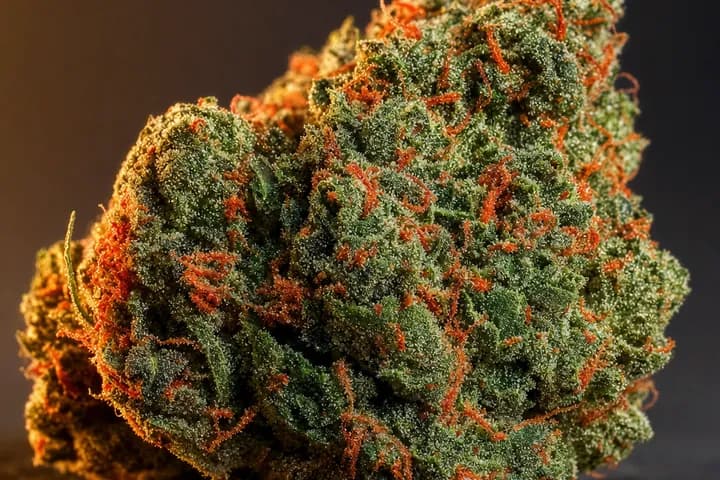
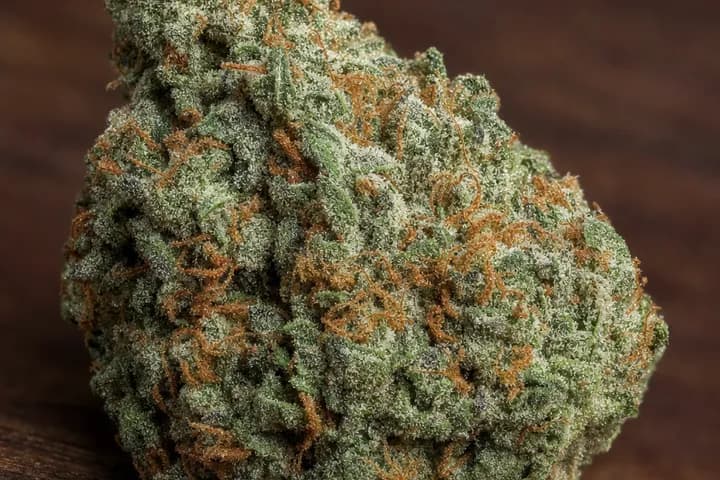
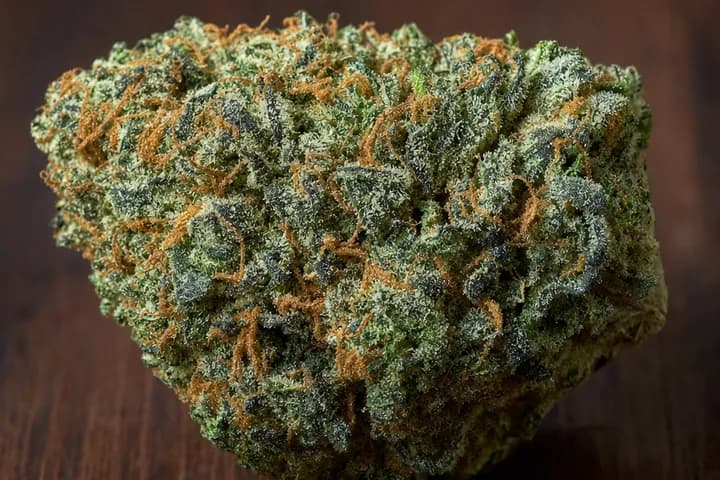
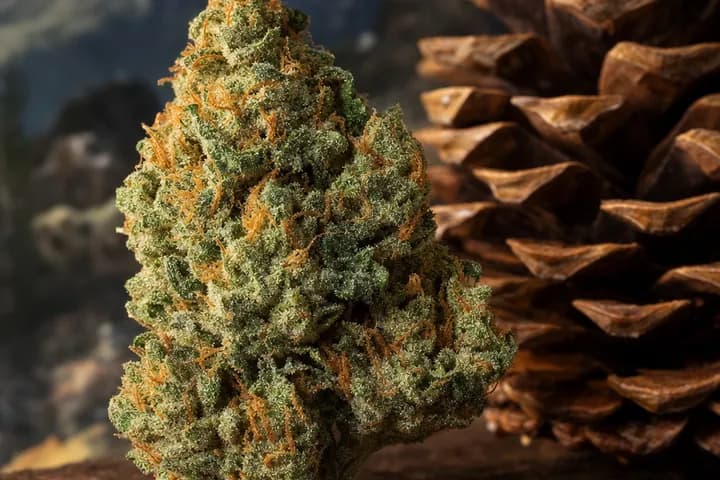
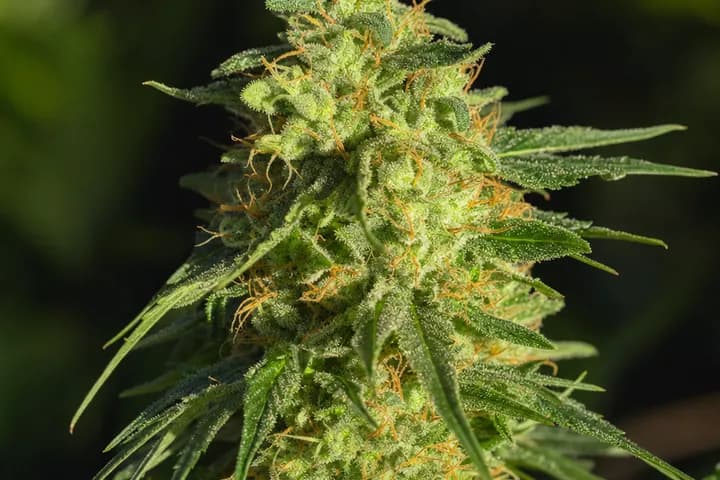
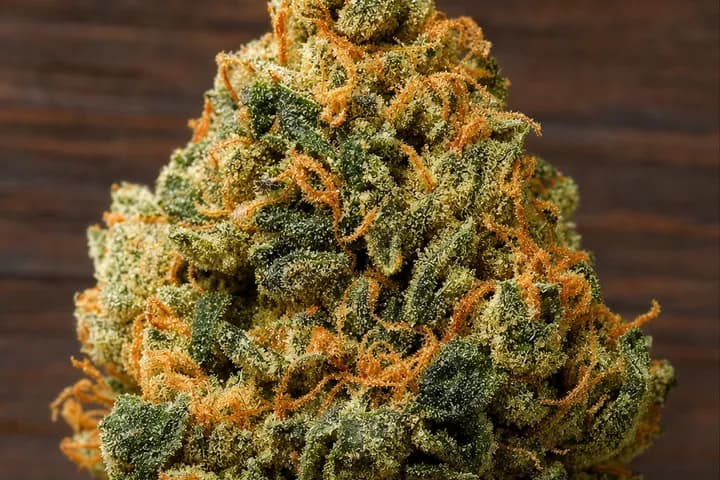
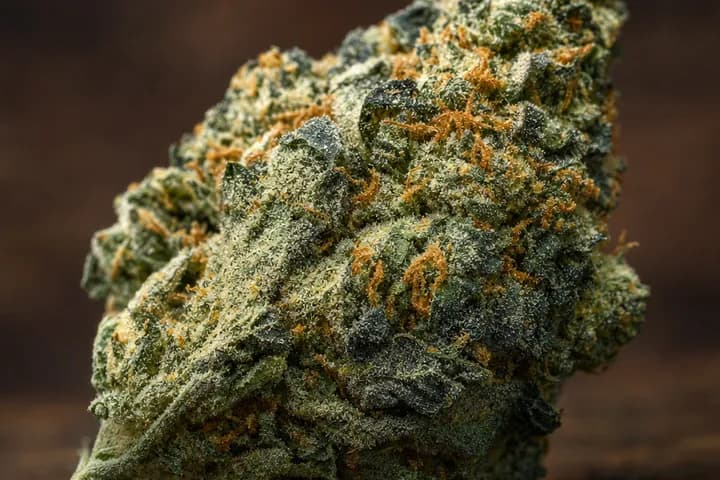
Tahoe OG is the OG Kush phenotype selected near Lake Tahoe by California growers in the mid-2000s and stabilized into seed form by Cali Connection breeder Swerve in the late 2000s. The strain is structurally close to OG Kush but selected for a heavier indica expression, faster flowering, and a stronger fuel-pine terpene marker that comes through earlier in flower than most OG variants. Plants finish in eight to nine weeks indoors with dense, dark-green buds and a thick trichome layer that develops in the front half of flower. The flavor leans heavy fuel on the inhale with a sweet pine exhale, and the high is one of the more sedating OG-family expressions — most reviewers place Tahoe OG firmly in the evening or pre-sleep category rather than recommending it as a flexible afternoon strain.
50-state shipping · germination guaranteed · affiliate link, no extra cost
Reviewed 2026-05-23· Sources: seedfinder.eu, Cali Connection catalogue, leafly
Potency
- THC range
- 20–26%
- Typical THC
- 23%
- CBD
- up to 0.1%
Flowering
- Indoor weeks
- 8–9 wk
- Difficulty
- Moderate
- Climate
- Mediterranean, warm dry
Yield & size
- Indoor
- 425-525 g/m²
- Outdoor
- 450-650 g/plant
- Height
- 100-130 cm
Indica / sativa ratio
Terpene profile
The aromatic compounds below shape how Tahoe OG smells, tastes, and ultimately feels in the body.
- dominant
Myrcene
Sedating, musky, herbal — commonly linked to couch-lock effects.
- secondary
Caryophyllene
Peppery and spicy — the only terpene that binds CB2 receptors, studied for anti-inflammatory action.
- secondary
Limonene
Uplifting citrus — typically associated with mood elevation and stress relief.
- minor
Pinene
Alert and pine-forward — associated with mental clarity and bronchodilation.
Reported side effects
Lineage
Tahoe OG traces to OG Kush. The cross sits in the OG family, which influences both the terpene profile and the flowering structure described above.
Genetic family tree
Documented parents and grandparents for Tahoe OG based on breeder catalogues. Library entries are clickable; ancestors not yet documented on this site appear in a lighter, non-linked box.
Strains crossed with Tahoe OG
Tahoe OG is a parent of 3 strains in the broader catalogue. These are crosses that carry Tahoe OG genetics on at least one side of the cross.
Grow profile
Grow profile
- Indica / sativa
- 75% / 25%
- Flowering days
- 56–63 days
- Stretch
- Moderate
- Pest resistance
- Moderate
- Mold resistance
- Moderate
- Training methods
- topping, lst, scrog
Feed schedule for Tahoe OG
These EC and NPK targets are starting points calibrated for the strain's Indica lean and moderate difficulty rating — not gospel. Drop 15-20% off any EC ceiling on your first run and let the plant tell you where it actually wants to feed.
Suggested feed schedule
- Late veg
- 1.4-1.6 EC
- Early flower
- 1.5-1.7 EC, NPK 2-3-4
- Mid flower
- 1.8-2.0 EC, NPK 1-4-6
- Late flower
- 1.6-1.8 EC
- Final week
- Plain pH-balanced water for the last 7-10 days; light flush if you ran nutrients on the higher end.
Full breakdown of feed math, runoff testing, and salt buildup in our nutrient guide.
What to expect through the grow cycle
Tahoe OG is documented with a 9-week flower and a compact stretch typical of indica-leaning structure. The visual below maps a documented 13-week cycle built from 4weeks of vegetative growth and the strain's published flowering window.
Published grow reports for Tahoe OG concentrate the most observational notes on the late-flower ripening window. This timeline is descriptive — it reflects what reports document, not a how-to. Actual week-to-week behaviour varies with phenotype, light intensity, pot size, and environment.
Phase details
- Veg (weeks 1-4)
- The documented vegetative period for Tahoe OG. Plants establish root structure, leaf canopy, and node count before flower triggering, with a moderate difficulty rating shaping how forgiving the early canopy work tends to be.
- Stretch (weeks 5-7)
- Tahoe OG is documented as having moderate stretch. Reports describe the plant roughly doubling in height during this phase as the indica-leaning structure establishes its final flowering frame.
- Bud sites (weeks 8-9)
- Pre-flowers form at the nodes and calyxes begin to develop. Grow reports for Tahoe OGnote this as the window where the canopy's eventual bud distribution becomes visible.
- Bud development (weeks 10-11)
- Flowers thicken and calyxes fatten through this phase. Documented Tahoe OG runs show the bulk of visible flower mass accumulating here, with resin production accelerating toward the end.
- Ripening (week 12)
- Trichomes transition from clear toward cloudy and amber. Reports for Tahoe OG describe the Myrcene-led terpene profile maturing through this window, with aroma sharpening week over week.
- Final (week 13)
- Calyx swelling is documented as complete and the harvest window opens. Published Tahoe OG runs end here, within the 8-9 week flowering range reported by the breeder.
Flavor & aroma
Reported effects
Common questions about Tahoe OG
How does Tahoe OG differ from regular OG Kush?
Tahoe OG is more sedating, finishes about a week faster, and develops trichome coverage earlier in flower. The fuel-pine terpene marker is sharper and comes through earlier, where straight OG Kush builds its terpenes more gradually.
Is Tahoe OG good for sleep?
Yes — most reviewers place it in the strict bedtime category. The 75 percent indica ratio, dominant myrcene, and 23 percent typical THC produce a reliably heavy sedating effect within the first thirty minutes.
Breeder of record
Cali Connection
View breeder profile and other strains →
More from Cali Connection
Strains similar to Tahoe OG
These picks lean on the same terpene profile and parent genetics as Tahoe OG — shared dominant terps, overlapping lineage, and matching indica/sativa lean. No star ratings or popularity contests, just overlap on the traits that actually drive a similar grow and smoke.